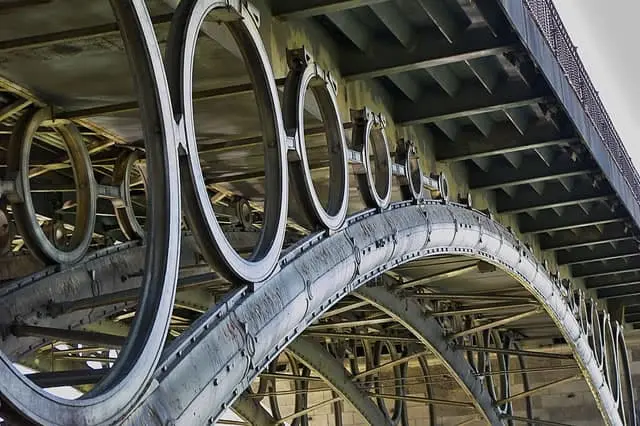

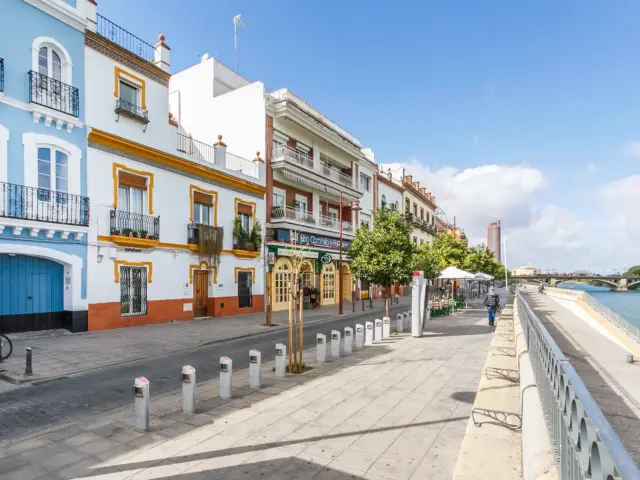
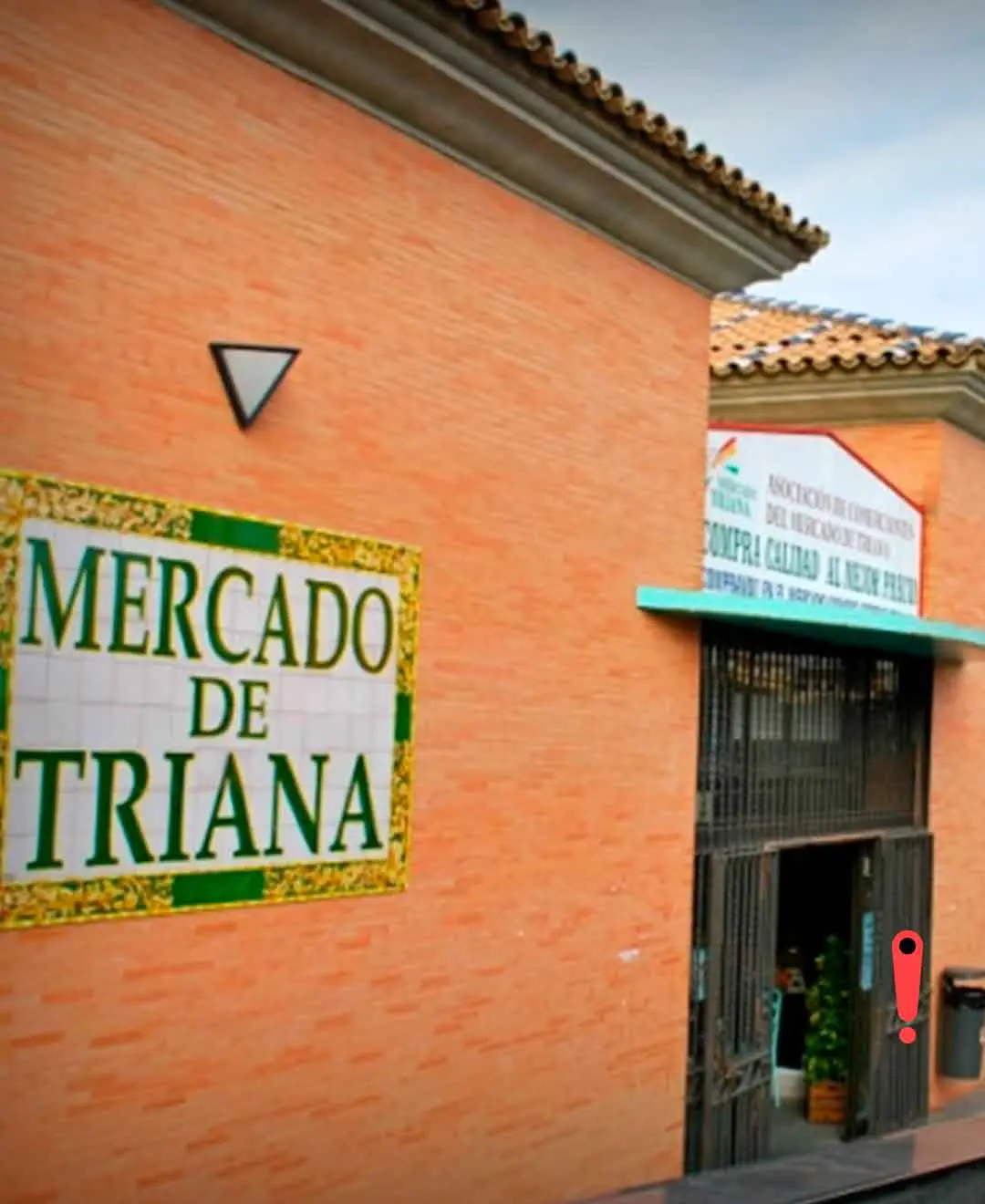
If there is one place in Seville that combines history, tradition and great food, it is the Mercado de Triana. Located on the banks of the Guadalquivir and next to the iconic Puente de Triana, this market is not only a paradise for food lovers, but also a silent witness to some of the darkest episodes in the city's history.
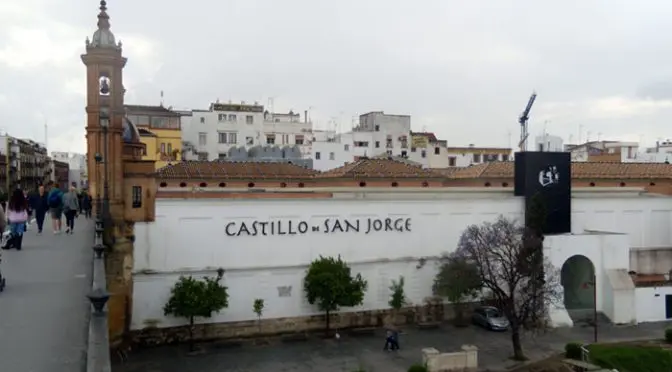
What many people don't know is that the Mercado de Triana is built over the ruins of the Castillo de San Jorge, a medieval fortress that for centuries was the seat of the Holy Inquisition Tribunal in Seville. We tell you its fascinating story and how it went from being a place of terror to a space for meeting, culture and flavour.
The Castillo de San Jorge: The origins of the Mercado de Triana
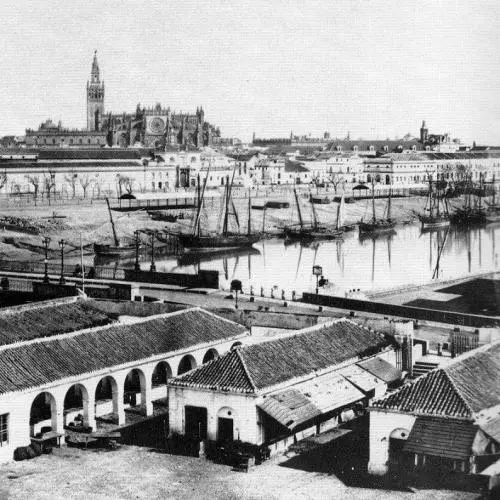
Before the market existed, the Castillo de San Jorge stood on this very site, a fortress built by the Muslims in the 12th century. Its purpose was to defend the city from the western bank of the Guadalquivir, guarding the entrance to the boat bridge that linked Triana with Seville.
In 1248, during the Christian conquest of Seville, the castle passed into the hands of Ferdinand III of Castile, who turned it into a key stronghold for watching over the river. For centuries the castle served as a military fortress, but in the 15th century its role changed forever.
The Holy Inquisition in Seville: centuries of terror at the Castillo de San Jorge
In 1481, with the arrival of the Catholic Monarchs, the Holy Inquisition was established in Spain, an ecclesiastical court created to persecute heretics, conversos and suspects of not following the Christian faith. Seville was one of the first cities to host this tribunal, and its seat was set up precisely in the Castillo de San Jorge.
From this castle, the inquisitors exercised absolute control over the population, investigating and judging thousands of people accused of heresy, Judaism, witchcraft or even spreading forbidden ideas.
Prisoners of the Inquisition were held in the castle's dark dungeons, where they awaited their trials in inhuman conditions. Many were subjected to brutal interrogations and torture to obtain confessions. Sentences could range from fines and penance to death at the stake, in the notoriously famous autos de fe, which were held in the Plaza de San Francisco or on the Prado de San Sebastián.
One of the darkest moments of the Inquisition in Seville occurred in 1559, when a great auto de fe was held in the Plaza de San Francisco, in which several clergymen accused of Protestantism were executed, among them the Dominican friar Juan Ponce de León.
The Inquisition operated in the Castillo de San Jorge for more than 300 years, until in 1785 it was moved to another building in Seville. Finally, with the definitive abolition of the Inquisition in 1834, the castle fell into ruin and was demolished to make way for new buildings.
From castle to market: the birth of the Mercado de Triana
After the castle was demolished in the 19th century, the space was used to create a food market to supply the neighbourhood's residents. Thus, in 1823, the Mercado de Triana was opened, and since then it has been the commercial heart of the neighbourhood.
The market has evolved over time, but it still retains the essence of a traditional square, with stalls offering the finest fresh produce from the province and a unique atmosphere that blends tradition with modernity.
Today, the remains of the Castillo de San Jorge and the Inquisition dungeons can be visited at the Castillo de San Jorge Interpretation Centre, located just below the market. There you can see archaeological remains of the castle, information about the Inquisition and historical testimonies about this dark period.
What can you find today at the Mercado de Triana?
The Mercado de Triana has more than 20 stalls offering fresh produce and quality food. Here you can find:
Fresh local produce
- Seasonal fruit and vegetables
- Fresh fish and seafood brought from the Andalusian coast
- Iberian meats and traditional cured sausages
- Artisan cheeses and olive oils
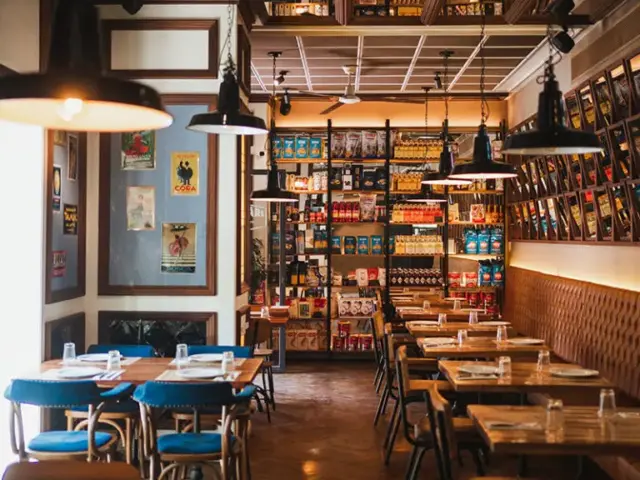
Tapas and local cuisine
The market is not only a place to buy, but also to taste. There are several bars and restaurants where you can try classic Sevillian tapas such as:
- Montaditos de pringá
- Spinach with chickpeas
- Prawn omelette
- Homemade croquettes
- Salmorejo
It also offers international options, such as sushi, Italian cuisine or gastronomic fusion.
A space full of culture and art
The Mercado de Triana is not just a place to buy food, but a centre of cultural life. Inside the market you will find Casala Teatro https://casalateatro.com/ , where plays, monologues and flamenco shows are staged.
Events such as wine tastings, gastronomic presentations and exhibitions by local artists are also held.
📍 Practical information for visiting the Mercado de Triana
📌 Location: Plaza del Altozano, Triana
📆 Opening hours: Open Monday to Saturday, 9:00 to 15:00
🚶♂️ How to get there: On foot from the centre crossing the Puente de Triana, or by public transport.
💡 Why visit the Mercado de Triana?
✔️ It is a place with almost 200 years of history, built over a former medieval fortress.
✔️ It's the best place to buy fresh, high-quality produce in Seville.
✔️ It has bars and restaurants where you can enjoy the local cuisine.
✔️ It lets you visit the remains of the Castillo de San Jorge and the former Inquisition headquarters.
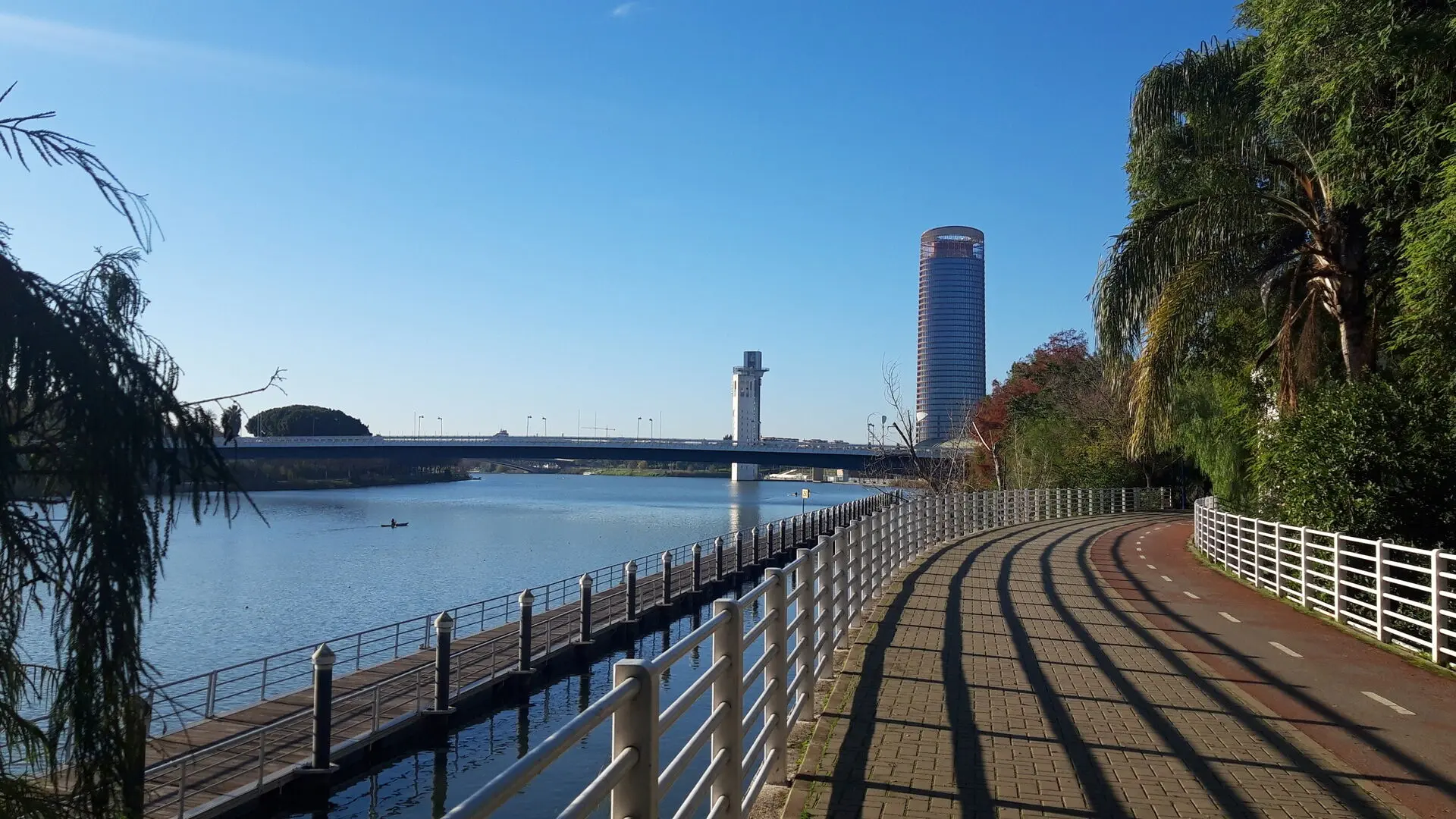
✔️ Its location along the Guadalquivir makes it an ideal spot for a stroll through the Triana neighbourhood.
If you haven't been yet, we encourage you to visit and discover its history, its atmosphere and its unique flavours.